Laboratory-grown diamonds have transformed the jewellery world, and one of the questions we are asked most often is simple: which should I choose? The honest answer is that both have their place. Here is what you need to know.
Are lab-grown diamonds real?
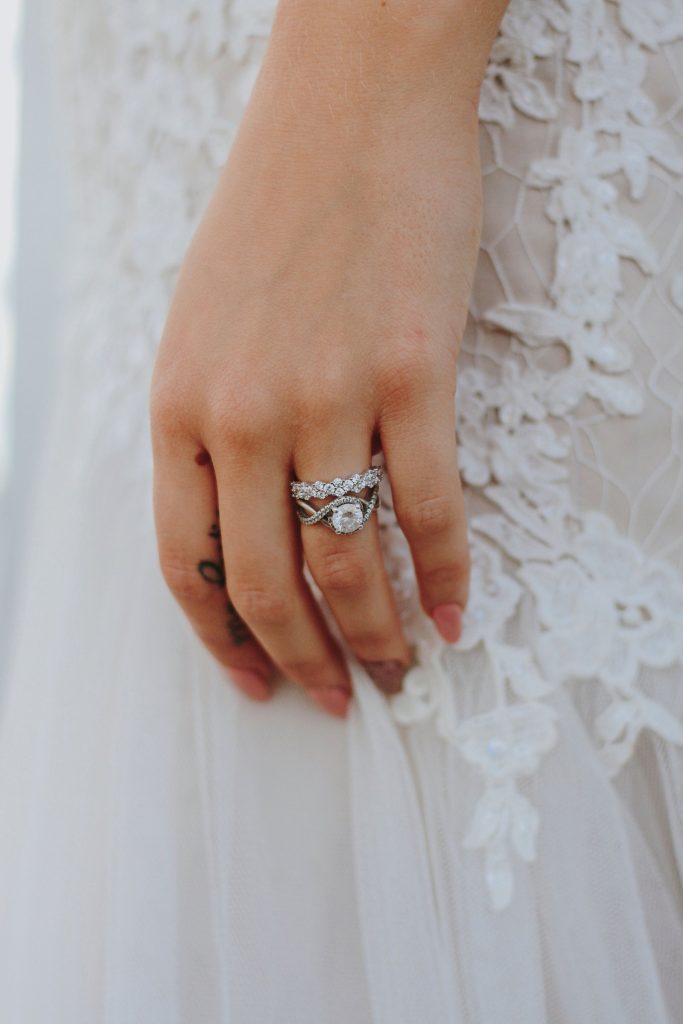
Yes. A laboratory-grown diamond has the same chemical composition, crystal structure and optical properties as a natural diamond: it is pure carbon arranged in a diamond lattice. It is not a simulant such as cubic zirconia or moissanite. To the naked eye, a natural and a lab-grown diamond of the same quality look identical.
How are they made?
Natural diamonds formed deep within the earth, under intense heat and pressure, and were carried towards the surface by ancient volcanic activity.
Laboratory-grown diamonds are created in weeks using advanced technology that recreates those conditions — either high pressure and high temperature (HPHT) or chemical vapour deposition (CVD), where carbon is built up layer by layer.
Can you tell them apart?
Not by eye, and not with a standard jeweller’s loupe. Gemmological laboratories use specialist instruments to identify a diamond’s origin, and reputable grading reports clearly state whether a stone is natural or laboratory-grown. A trustworthy jeweller will always disclose this — and so do we.
Are they graded the same way?
Both are assessed on the 4Cs: cut, colour, clarity and carat weight. That means you can compare quality in exactly the same language. Read our guide to the 4Cs to learn more.
Price and long-term value
Laboratory-grown diamonds typically cost significantly less than natural diamonds of a similar size and quality, allowing a larger or higher-grade stone for the same budget. Natural diamonds are finite, which is why many people value their rarity and choose them as heirlooms. Resale values differ between the two, so it is worth considering how you view your ring: as a treasured symbol, or also as a store of value.
Which is right for you?
Choose natural if rarity, heritage and a stone formed over millions of years matter most. Choose laboratory-grown if you would like maximum size and sparkle for your budget. Either way, we will show you both side by side, explain every grading report and help you decide with complete transparency. Book a consultation to compare them in person.