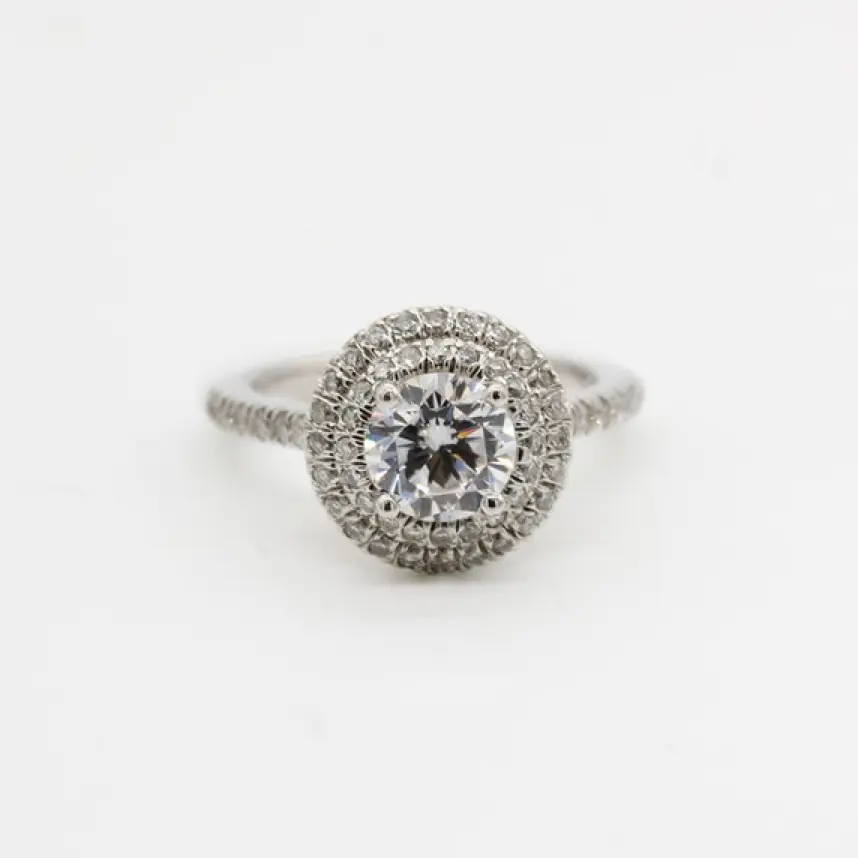
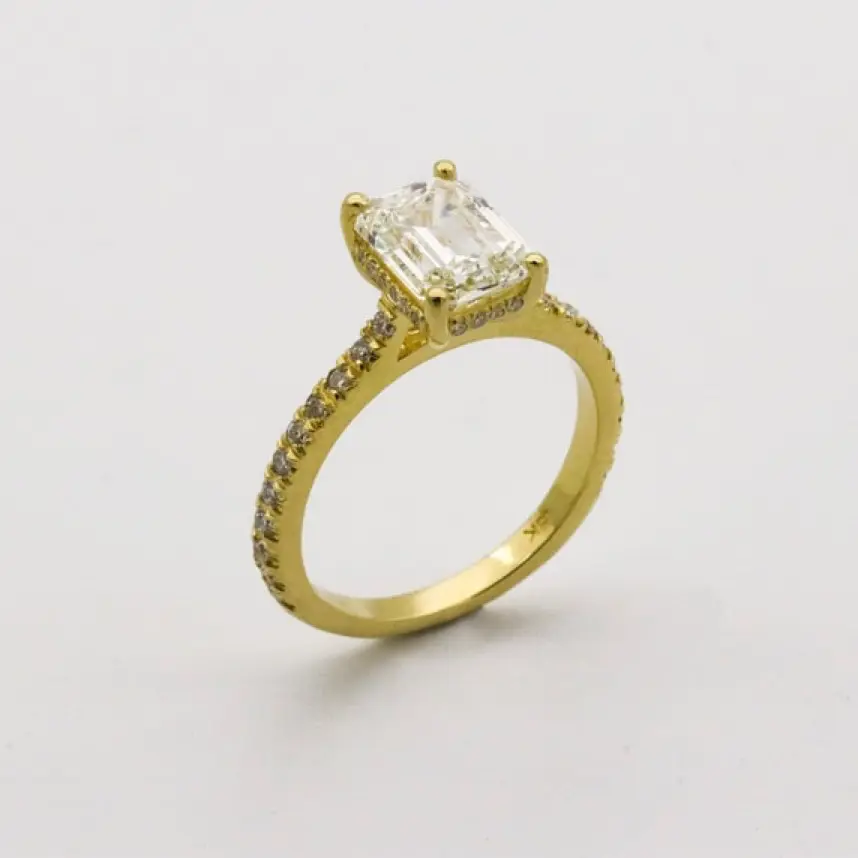
The oldest trade in London, explained in plain English
Hatton Garden is barely two hundred metres of doorways, and behind most of them sits someone who does exactly one thing: cuts, sets, polishes, engraves, or sells. That division of labour is why the street has survived for a century and a half — and why buying here can feel like being handed a phrasebook for a language nobody offers to teach you.
We built Hatton Diamond to do the translating. The stone goes on the table under a lamp, we name what is exceptional about it and what has been compromised, and then you decide. No stone leaves here described as something it is not.
our standards
We buy the stone before we draw the ring
Every diamond is checked by eye against its report, because two stones carrying identical grades can be very different objects and only one of them is worth the money. We work with suppliers operating under the Kimberley Process and the System of Warranties, use recycled gold and platinum wherever the alloy allows it, and keep bench sweep and polishing waste in the trade’s refining loop rather than the bin.
Treatments are disclosed in writing before you pay — heat, oiling, glass filling, laser drilling, all of it. A treated stone is not a dishonest stone. An undisclosed one is.
Buy once. Wear it out.
We would rather sell you a smaller diamond cut properly than a larger one that lies flat in the light, and rather build a setting you forget you are wearing than one that photographs beautifully and catches on every jumper you own.
Everything is made to be worn on an ordinary Tuesday, not kept for occasions. A piece that comes back to us in twenty years for a clean and a polish is the only review we are interested in.
Sir Christopher Hatton was given these gardens by Elizabeth I. The jewellers arrived three centuries later and never left, and the trade they built still runs the old way — apprenticeship, word of mouth, and a handshake that outranks a contract.
We keep the parts of that worth keeping: draw by hand before you draw on a screen, never sell a grade you cannot show someone, and keep the client rather than the sale. We add the parts the old way lacked — 3D modelling so you approve a ring before any metal is cut, independent grading on every centre stone from 0.30ct, and a written quotation that survives being read twice.
the bench
A loupe, a lamp, and no pressure
You will be shown the stones themselves, not a brochure. We put a ten-times loupe in your hand, explain what you are looking at in words you can repeat to somebody else afterwards, and say plainly when the cheaper option is the better one.
An appointment here is not a sales meeting. Some of our favourite afternoons have ended with a client leaving to think it over, and coming back a month later having read everything on the street.
From the first pencil line to the final hand polish, one bench answers for it